

A concussion is a mild traumatic brain injury (mTBI) that occurs due to a hit to the head or body. It can cause symptoms such as headache, dizziness, confusion, memory loss, nausea, and balance issues. Loss of consciousness is not necessary for a concussion to occur, making it often difficult to detect.

One of the major risks in sports is Second Impact Syndrome (SIS), where a second hit before recovery can be fatal. Delayed recovery is another risk, as returning too soon worsens symptoms and prolongs healing. Long-term effects are also a concern, as repeated injuries have been linked to CTE, depression, and early dementia.
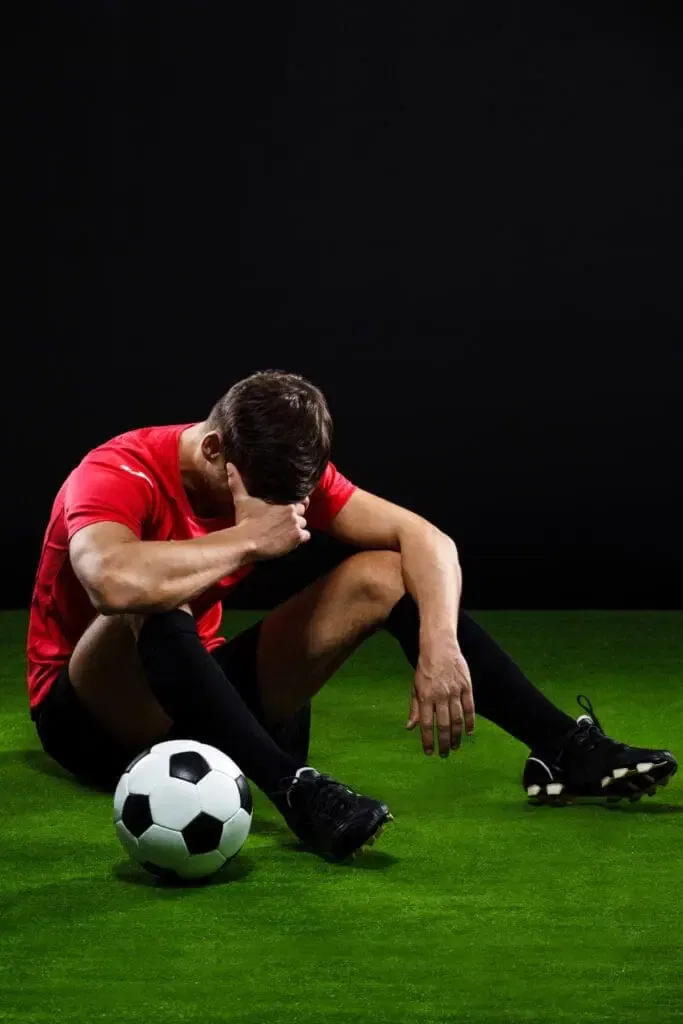
In Australian sports, concussions are a significant risk, with 1 in 5 sports injuries being a concussion. AFL, Rugby, and Soccer have the highest concussion rates. Junior athletes take longer to recover than adults, making proper management crucial. However, 40% of athletes return to play too early, increasing the risk of further injury.
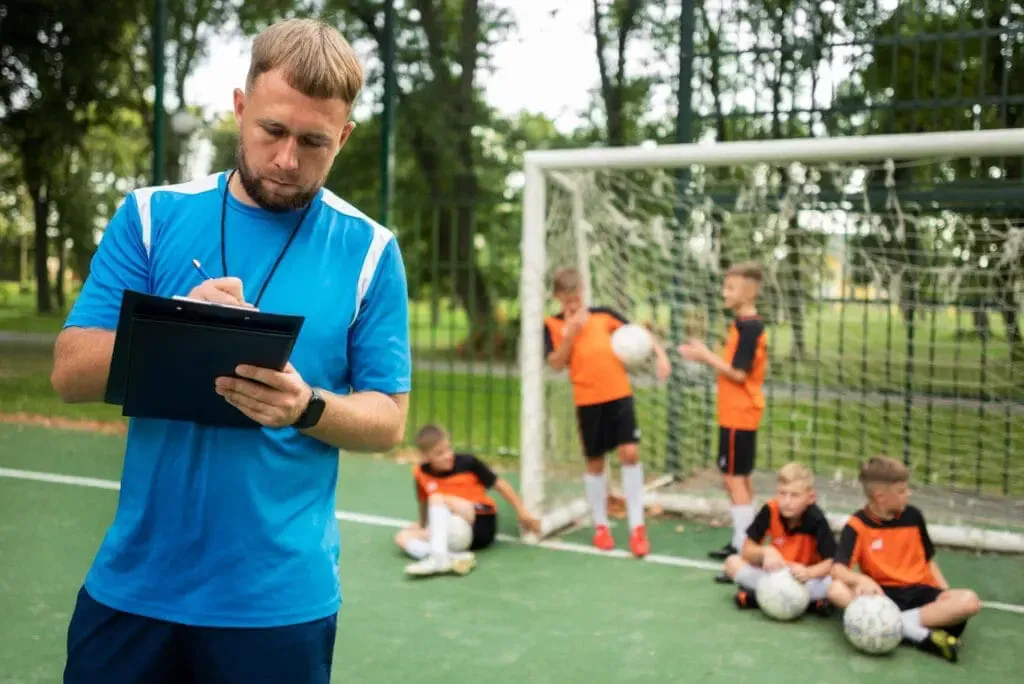
Clubs and coaches must follow Return-to-Play protocols to ensure player safety. Parents and schools play a crucial role in ensuring proper assessment and recovery for young athletes. Sporting bodies are responsible for enforcing concussion policies and using evidence-based tools to manage and prevent injuries effectively.
📌 Source: Concussion in Sport Australia (2024)
📌 Source: Concussion in Sport Australia (2024)
📌 Source: AIHW (2023)
Why this matters : Many concussions go unnoticed, and without proper baseline testing, it’s difficult to assess the severity of injury.
📌 Source: Source: AIHW (2023)
📌 Source: Rugby League Players Association (2024)
Why this matters :Athletes often feel pressure to play through symptoms, increasing the risk of second-impact syndrome—a potentially life-threatening condition.
📌 Source: Concussion in Sport Australia (2024)
📌 Source: Australian Sports Commission (2024)
Why this matters :Proper return-to-play assessments are essential to protect brain health and long-term cognitive function.
📌 Source: AIHW (2023)
📌 Source: Concussion in Sport Australia (2024)
Why this matters :Delayed treatment can lead to long-term cognitive impairments, academic struggles, and increased mental health risks.
Here’s a comprehensive FAQ list for BEST Australia, tailored for parents, clubs, coaches, healthcare professionals, students, and athletes regarding concussion management, baseline testing, and return-to-play protocols.
BEST Australia provides concussion baseline testing, post-injury assessments, and return-to-play clearance for athletes, ensuring safety and compliance with best-practice protocols.
A concussion is a brain injury that can affect memory, balance, and reaction time. Without proper management, it can lead to long-term cognitive issues, second-impact syndrome, or delayed recovery.
Rugby (Union & League), Australian Rules Football, Soccer, and Cricket report the highest rates of concussion in Australia.
We establish pre-injury baseline cognitive and balance data. If an athlete suffers a concussion, we compare their post-injury results to ensure safe recovery before returning to play
Common symptoms include headaches, dizziness, confusion, blurred vision, nausea, and difficulty concentrating. Symptoms can appear immediately or develop over 24-48 hours.
Seek medical attention immediately. Ensure they rest, avoid screens and physical activity, and follow a structured recovery plan.
Recovery varies, but most children take longer than adults. BEST Australia follows a staged approach, ensuring full cognitive recovery before returning to sport.
Baseline testing provides a pre-injury reference point, allowing doctors and coaches to make informed return-to-play decisions.
Yes! Clubs are responsible for player safety and must follow national return-to-play guidelines. BEST Australia simplifies compliance by tracking baseline tests, post-injury screenings, and clearance protocols.
No. Symptoms may take hours or even days to appear. Every player must be assessed properly before returning to play.
The app provides objective, smartphone-based cognitive and balance testing, eliminating guesswork in concussion diagnosis and recovery tracking.
BEST Australia aligns with Concussion in Sport Australia and Australian Institute of Sport (AIS) guidelines, which recommend at least 21 days before returning to full-contact play in community sports.
Healthcare professionals can securely access baseline and post-injury test results via our digital system to compare cognitive performance over time.
Tell your coach, parent, or medical professional immediately. Do not return to sport until you’ve been assessed.
Not necessarily. Some symptoms take time to appear. You must complete a full recovery assessment before returning.
This depends on your age, severity of the concussion, and recovery progress. Community sport guidelines recommend at least 21 days before return-to-play clearance
It gives an accurate pre-injury benchmark so doctors and coaches can safely determine when you’re ready to return without risking further brain damage.
Schools have a duty of care to protect students from long-term brain injuries. Baseline testing ensures informed concussion management and safer return-to-learn/play strategies.
We provide:
Contact us to implement our comprehensive concussion management system, ensuring athlete safety and compliance with concussion protocols.